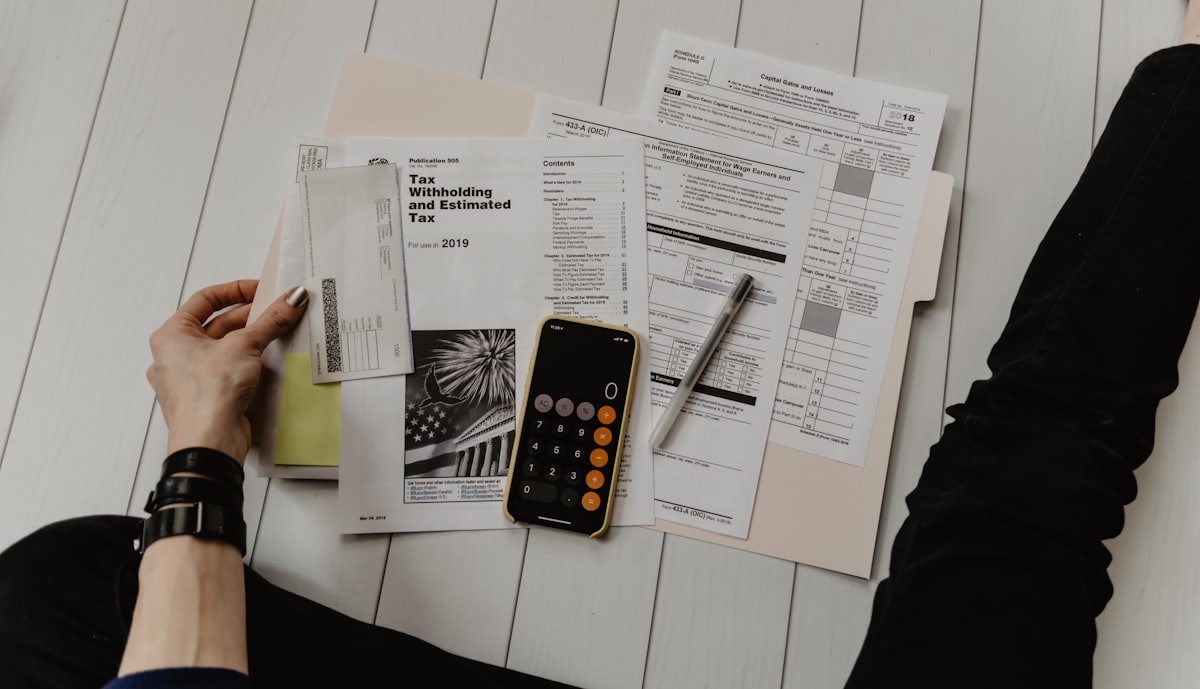
You agreed on a price. So why are there pages of additional charges at closing? Closing costs are the fees required to actually transfer a home, and they catch people off guard precisely when budgets are tightest. The good news: once you know what they are, few of them are mysterious, and some are negotiable. Here's what buyers and sellers each pay, in plain terms.
Source: RESMP editorial guidance; consumer closing-cost ranges per the CFPB. Figures vary by state and lender.
What buyers typically pay
Buyer closing costs commonly run about 2–5% of the purchase price and include loan origination and lender fees, the appraisal, title search and title insurance, recording fees, and prepaid items like property taxes and homeowners insurance placed into escrow. Exact amounts vary widely by state and lender, which is one more reason to compare lenders — some fees are theirs to set.
What sellers typically pay
On the seller's side, the agent commission has historically been the largest line item, alongside transfer taxes, title-related fees (which vary by region and custom), any agreed repair credits, and prorated property taxes. Since 2024, how much a seller contributes toward the buyer's agent is negotiated rather than assumed — another reason the settlement statement looks different than it did a few years ago.
What's negotiable
More than people assume. In a buyer-friendly market, sellers may agree to cover part of the buyer's closing costs (a 'seller concession'). Some lender fees can be shopped or negotiated. And the commission itself is always negotiable. Who pays what is partly local custom and partly deal-by-deal leverage — which is exactly where a good agent earns their keep.
Avoid the surprise
Buyers receive a Loan Estimate early and a Closing Disclosure before signing — read both, and ask your lender or agent to walk you through anything unclear. Sellers should ask their agent for a net-proceeds estimate up front so there are no surprises. RESMP can match you with verified local agents and lenders who'll lay these numbers out before you're at the closing table, not after.
Frequently Asked Questions
How much are closing costs for a buyer?
Commonly around 2–5% of the purchase price, covering lender fees, appraisal, title insurance, recording, and prepaid taxes and insurance. The exact figure varies by state and lender — review your Loan Estimate and Closing Disclosure carefully.
What are the seller's closing costs?
Historically the agent commission is the largest, plus transfer taxes, title-related fees, prorated property taxes, and any agreed repair credits. Ask your agent for a net-proceeds estimate up front.
Are closing costs negotiable?
Many are. Sellers may offer concessions toward a buyer's costs, some lender fees can be shopped, and commission is always negotiable. Local custom sets some of it; the rest is deal-by-deal.
More Insights
Share this report
March 2026